Olive oil and pizza have a long and sometimes confusing relationship. Depending on the recipe, the chef, and the style of pizza, you might see oil added to the dough, brushed onto trays, drizzled on before baking, or finished over the top after the pizza comes out of the oven. Each method has a purpose, and understanding when and why to use oil can dramatically improve your results at home.
Should you use olive oil in pizza dough?
Traditional Neapolitan pizza, as codified by the Associazione Verace Pizza Napoletana in Naples, does not include olive oil in the dough itself. The dough is simply flour, water, salt, and yeast. The goal is a soft, light base with a tender interior and a blistered crust that cooks quickly at very high heat. Adding oil would slightly change this texture, making the dough richer and less airy. However, many modern or home-baking recipes do include oil because it makes dough easier to handle and more forgiving in domestic ovens.
Adding olive oil to dough has several benefits. It softens the crumb, making the pizza less chewy and more tender. It helps retain moisture, which is useful when baking at lower temperatures where pizzas cook longer. Oil also improves extensibility, meaning the dough stretches more easily and resists shrinking back. For beginners, this makes shaping far less frustrating. The trade-off is that too much oil reduces the classic lightness and crisp blistering you get from a lean dough.
Using olive oil as a coating
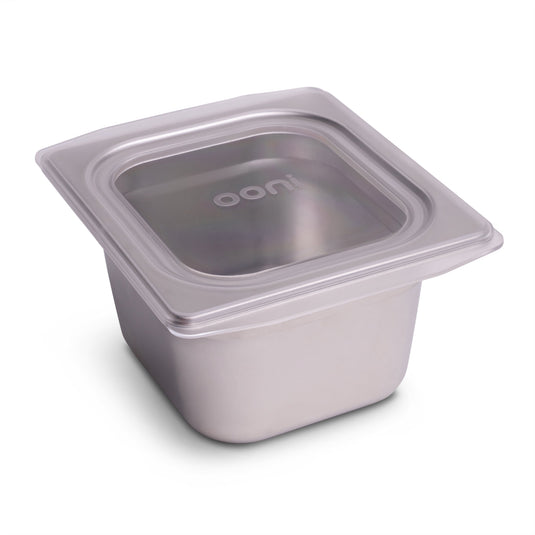
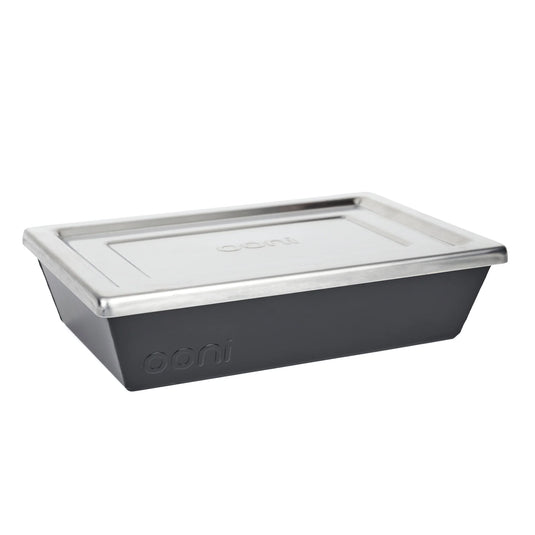
Another common use of olive oil is coating dough balls and dough trays during fermentation. A light oil coating prevents dough from drying out and forming a skin, especially during long cold fermentation. It also stops dough balls from sticking to trays or containers, making them easier to remove without tearing. Many professional kitchens lightly oil trays for speed and practicality rather than flavour.
Should you add olive oil Before or after baking a pizza?
Olive oil is also sometimes drizzled on pizza before baking. This technique helps certain toppings cook properly, particularly vegetables that benefit from a little fat to caramelise. Oil can also help protect ingredients from drying out in longer home-oven bakes. Some bakers brush a small amount onto the crust edge to encourage colour and crispness when ovens lack strong top heat.
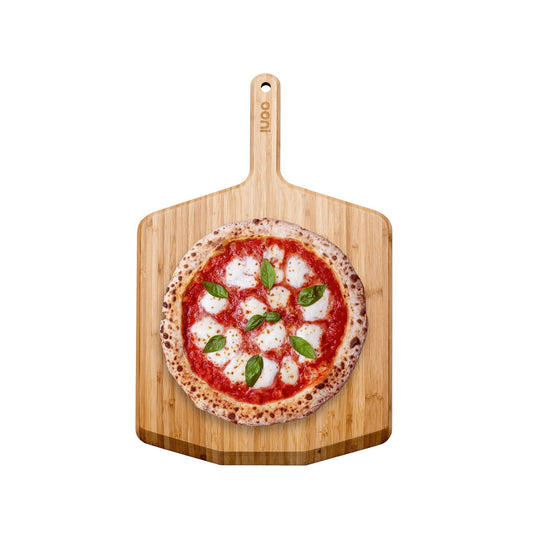
Finishing a pizza with olive oil after baking serves a different purpose. Here, oil is about aroma and flavour rather than cooking. A fresh drizzle of good extra virgin olive oil adds fruitiness, peppery notes, and richness that high heat would otherwise dull. This is especially effective on simple pizzas like Margherita, white pizzas, or vegetable toppings where oil quality really shines.
There is also a health aspect worth understanding. Extra virgin olive oil is rich in antioxidants and polyphenols, contains heart-healthy monounsaturated fats, and is a cornerstone of the Mediterranean diet associated with reduced inflammation and improved cardiovascular health. However, many of these beneficial compounds are sensitive to heat. When olive oil is exposed to high baking temperatures, especially in pizza ovens, some of its delicate aromas and health-promoting compounds are reduced. Adding a fresh drizzle after baking preserves more of its nutritional value as well as its flavour. From both a taste and health perspective, finishing oil added after the pizza comes out of the oven is often the best choice.

So when is the right time to use olive oil on a pizza?
The answer depends entirely on your goal. If you want a traditional, airy Neapolitan-style pizza, keep oil out of the dough and use it sparingly as a finish. If you’re baking at home and want dough that’s easier to handle and a crust that stays soft and moist, adding a small percentage of oil to the dough makes sense. Use oil in trays to prevent sticking, drizzle before baking to support toppings, and finish after baking to enhance flavour and maximise the health benefits of extra virgin olive oil.
In short, olive oil isn’t just one step in pizza making. It’s a versatile tool that can affect texture, handling, cooking, flavour, and even nutrition. Knowing when to use it, and when to leave it out, lets you shape the final pizza exactly the way you like it.