How to Make Gluten-Free Neapolitan Pizza with Caputo Fioreglut
Making great gluten-free pizza starts with understanding that the process needs to change, not just the flour. Caputo Fioreglut is formulated specifically for Neapolitan-style pizza, but it behaves very differently from wheat flour. Following the right method from the beginning is what allows this dough to perform properly.
Fioreglut requires high hydration to achieve a soft, airy result. This recipe uses around 80% hydration, which helps the dough ferment evenly, retain moisture, and expand in the oven. Using less water will produce a tight, dry base with limited oven spring.
Because gluten-free dough has no natural elasticity, thorough mixing is essential. You’re not developing gluten, but you are creating a smooth, cohesive structure that can trap gas during fermentation. The dough will feel softer and stickier than traditional pizza dough, and that’s exactly what you want.
Olive oil is added to improve handling and texture, while a small amount of honey or sugar is optional but helpful. It supports yeast activity and improves browning, which can otherwise be difficult to achieve with gluten-free dough at high temperatures.
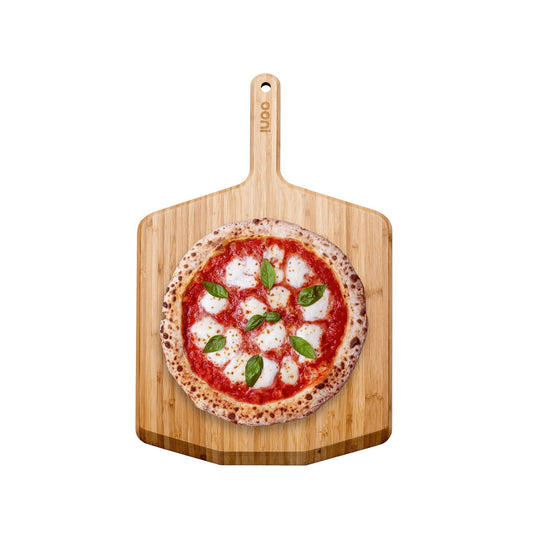
Handled gently and baked hot, Caputo Fioreglut can produce a soft centre, airy cornicione, and a true Neapolitan-style gluten-free pizza, without feeling like a compromise.

Gluten-Free Neapolitan Pizza Dough Recipe
Makes 3–4 individual pizzas
Ingredients
-
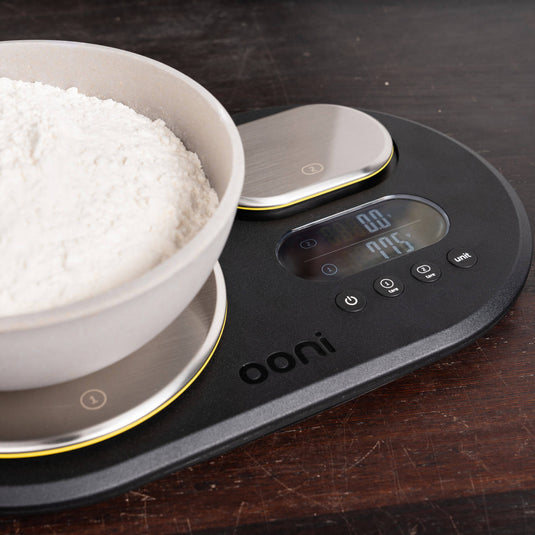
Caputo Fioreglut Flour: 500g
-
Water: 400g (Approx. 80% hydration for a light, airy crumb)
-
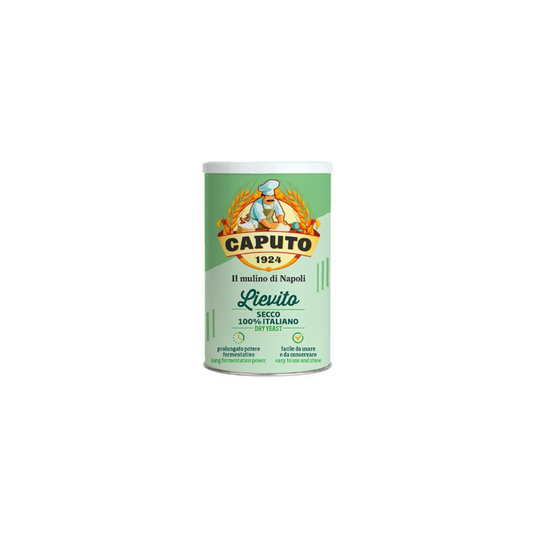
Instant Dry Yeast: 10g
-
Fine Sea Salt: 12–15g
-
Extra Virgin Olive Oil: 15g
-
Optional: 10g honey or sugar (Helps with yeast activation and browning)
Step-by-Step Instructions
1. Activate the Yeast
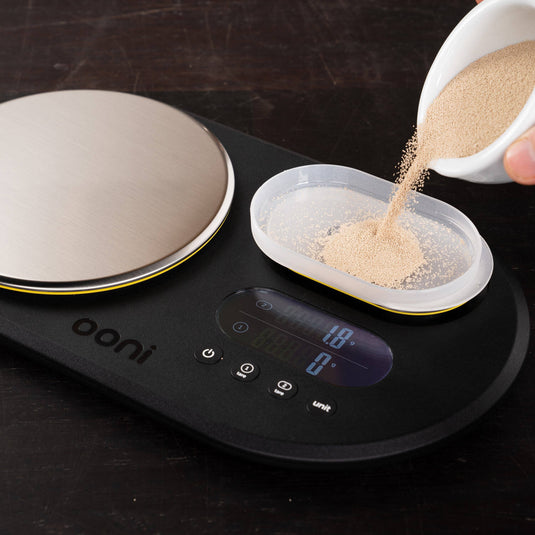
In a small bowl, whisk the warm water with the honey or sugar and yeast. Let it sit for 5 to 10 minutes, until the surface becomes frothy and active.
2. Mix the Dry Ingredients
In a large bowl or stand mixer, combine the Caputo Fioreglut flour and salt.
3. Combine and Mix
Pour the yeast mixture into the flour. Using a stand mixer with a paddle attachment, or mixing by hand with lightly oiled or gloved hands, mix for 4 to 5 minutes until the dough is smooth and uniform. Gluten-free dough won’t behave like wheat dough, but it should look cohesive and elastic.
4. Incorporate the Olive Oil
Add the olive oil and continue mixing for another 2 minutes. The dough should become glossy and slightly more relaxed.
5. First Rise (Bulk Fermentation)
Transfer the dough to a lightly oiled bowl. Cover tightly with plastic wrap and leave at room temperature for 1 to 2 hours, until nearly doubled in size.
6. Ball the Dough
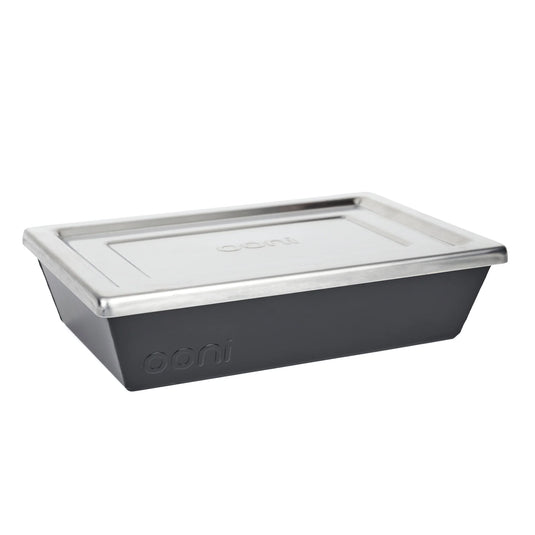
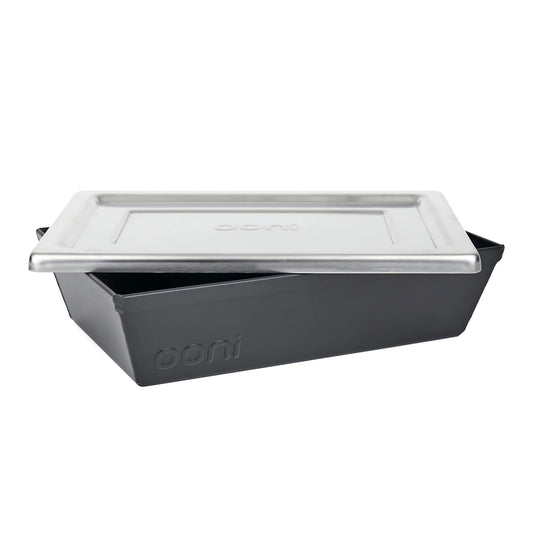
Divide the dough into 250g to 280g portions. Gently shape into balls and place into a greased proofing box or individual containers. Cover and rest for another 30 to 60 minutes.

7. Shape the Pizza Base
Lightly dust your work surface with polenta or fine cornmeal. Press the dough from the centre outward using your fingertips, leaving a thicker rim (cornicione) around the edge.
Avoid using a rolling pin. You want to preserve the air bubbles for a light, puffy crust.
8. Bake
Pizza Oven
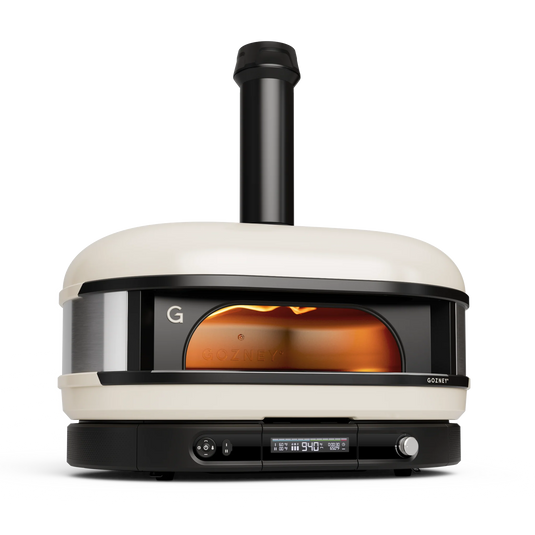
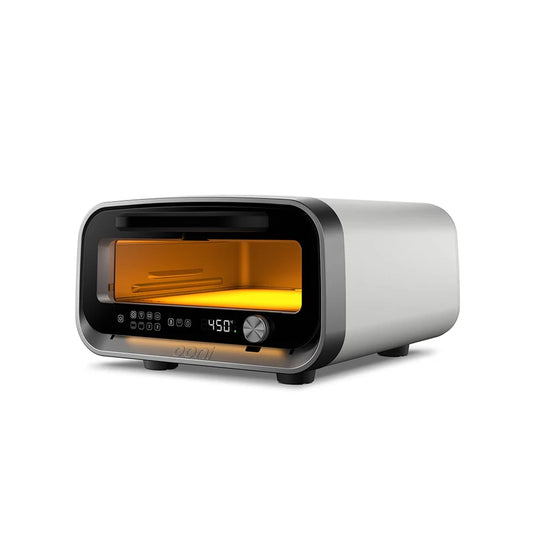
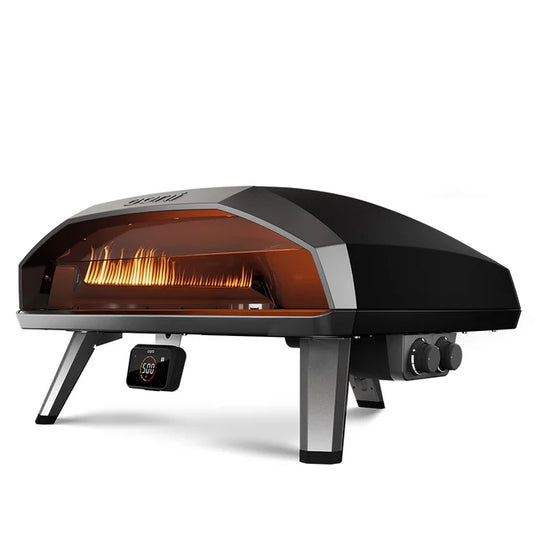
Bake at 430°C to 480°C for 60 to 90 seconds, turning as needed for even cooking and classic leopard spotting.
Home Oven
Preheat a pizza stone or steel at the highest setting (usually around 260°C). Bake for 5 to 8 minutes until the crust is set and lightly golden.

Key Tips for Gluten-Free Pizza Success
Expect Sticky Dough
Gluten-free dough is naturally stickier than wheat dough. Lightly oil your hands or wear latex gloves to make handling easier.
Use Parchment Paper
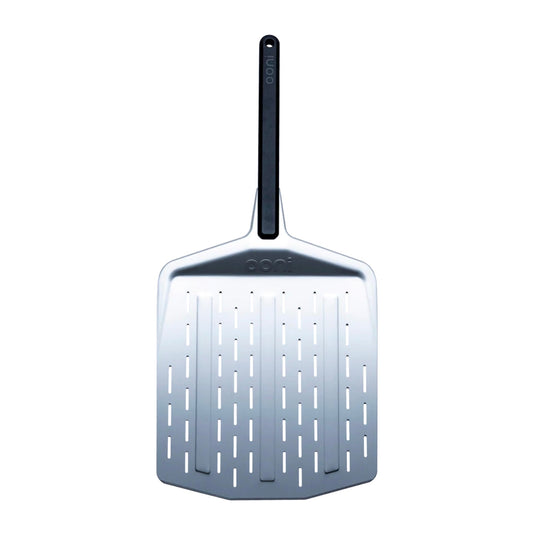
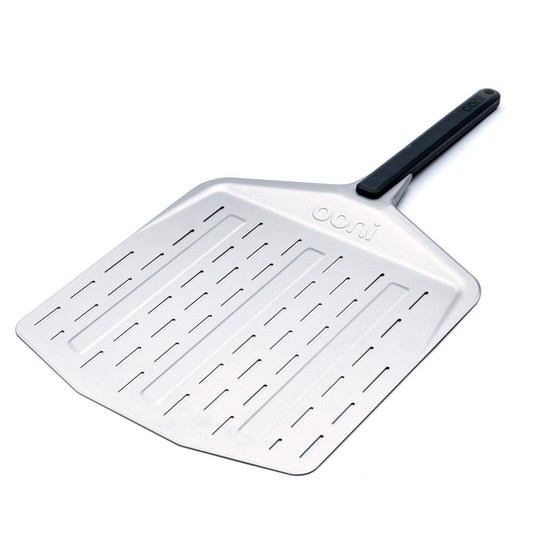
If launching from a peel feels risky, build the pizza on parchment paper and slide it straight onto the stone or oven floor. Remove the paper once the base sets.
Help with Browning
Gluten-free flour doesn’t brown as easily. Adding honey to the dough or lightly brushing olive oil around the rim before baking will help achieve better colour.